
Why Food Security Is Becoming a Global Priority Why Food Security Is Becoming a Global Priority
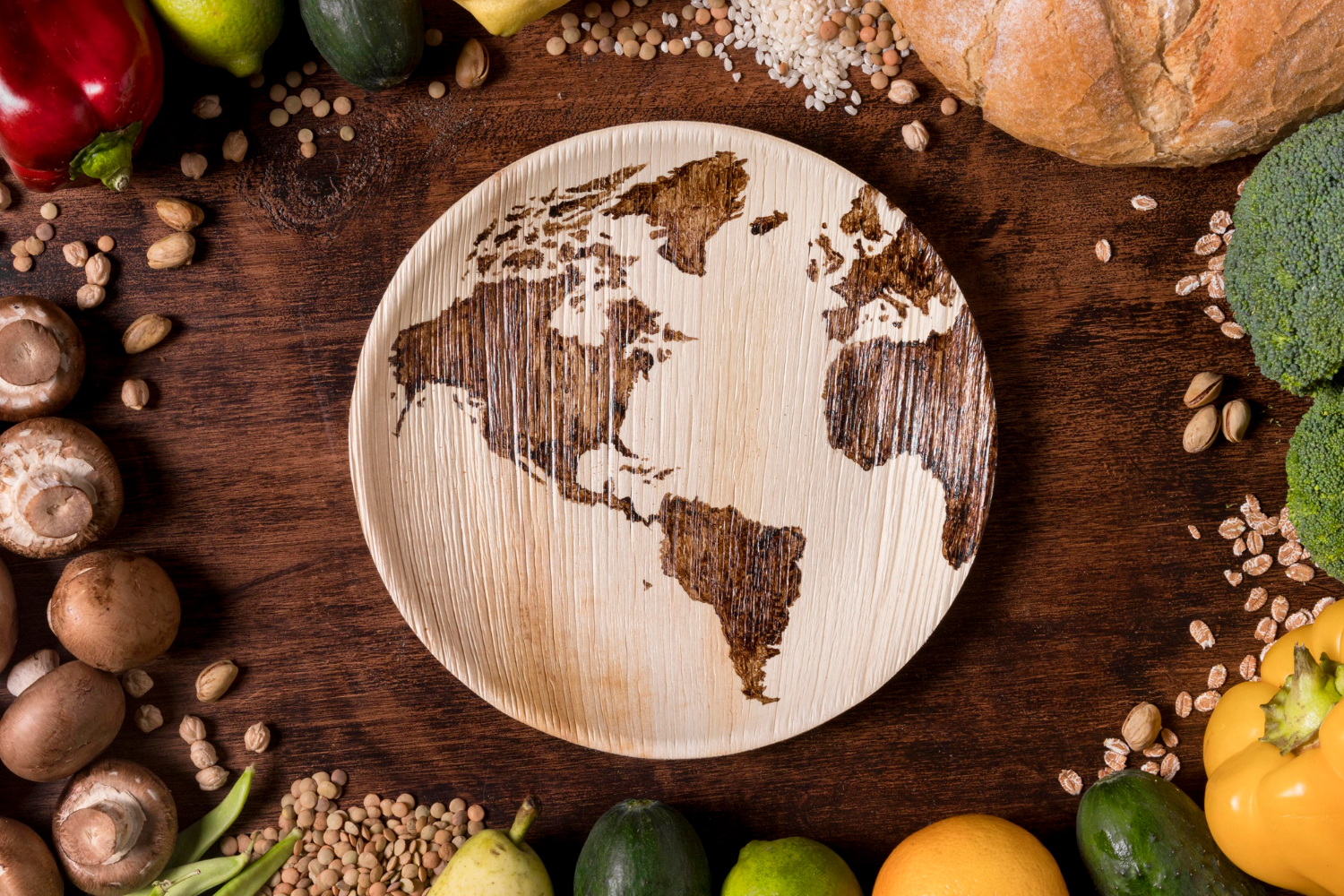
Food security has become one of the most significant global concerns as populations grow, climates change, and supply chains face increasing pressure. It refers to the ability of people to access sufficient, safe, and nutritious food that supports healthy and active lives. While many regions have made progress in agricultural production, new challenges continue to affect food availability, affordability, and distribution. Governments, international organizations, researchers, and local communities are placing greater emphasis on food security because it influences public health, economic stability, and long-term sustainable development. As global conditions continue to evolve, ensuring reliable access to food is becoming a shared international priority.
Growing Demand From an Expanding Population
The world’s population continues to increase, creating greater demand for food production and efficient distribution systems. Larger populations require more agricultural resources, including land, water, and energy, to produce enough food for growing communities. Urbanization also changes consumption patterns and increases pressure on transportation and storage networks. Meeting future food demand depends not only on increasing production but also on improving how food is managed from farms to consumers. These demographic changes highlight why food security has become a central issue in global planning.
The Impact of Climate and Environmental Change
Environmental conditions play an important role in determining agricultural productivity. Changes in weather patterns, prolonged droughts, floods, and rising temperatures can affect crop yields and livestock production in many parts of the world. Natural disasters may also disrupt transportation and food distribution, reducing access to essential supplies. As climate-related challenges become more frequent, governments and agricultural industries are exploring ways to improve resilience and protect food systems from environmental uncertainty.
Strengthening Global Supply Chains
Modern food systems rely on complex international supply chains that connect producers, processors, distributors, and retailers across different countries. Disruptions caused by transportation challenges, economic instability, or public emergencies can affect the movement of food and increase pressure on local markets. Strengthening supply chains through improved infrastructure, storage, and logistics helps maintain reliable access to food while reducing the risk of shortages. Efficient distribution systems are becoming increasingly important as global trade continues to support food availability in many regions.
Supporting Sustainable Agricultural Practices
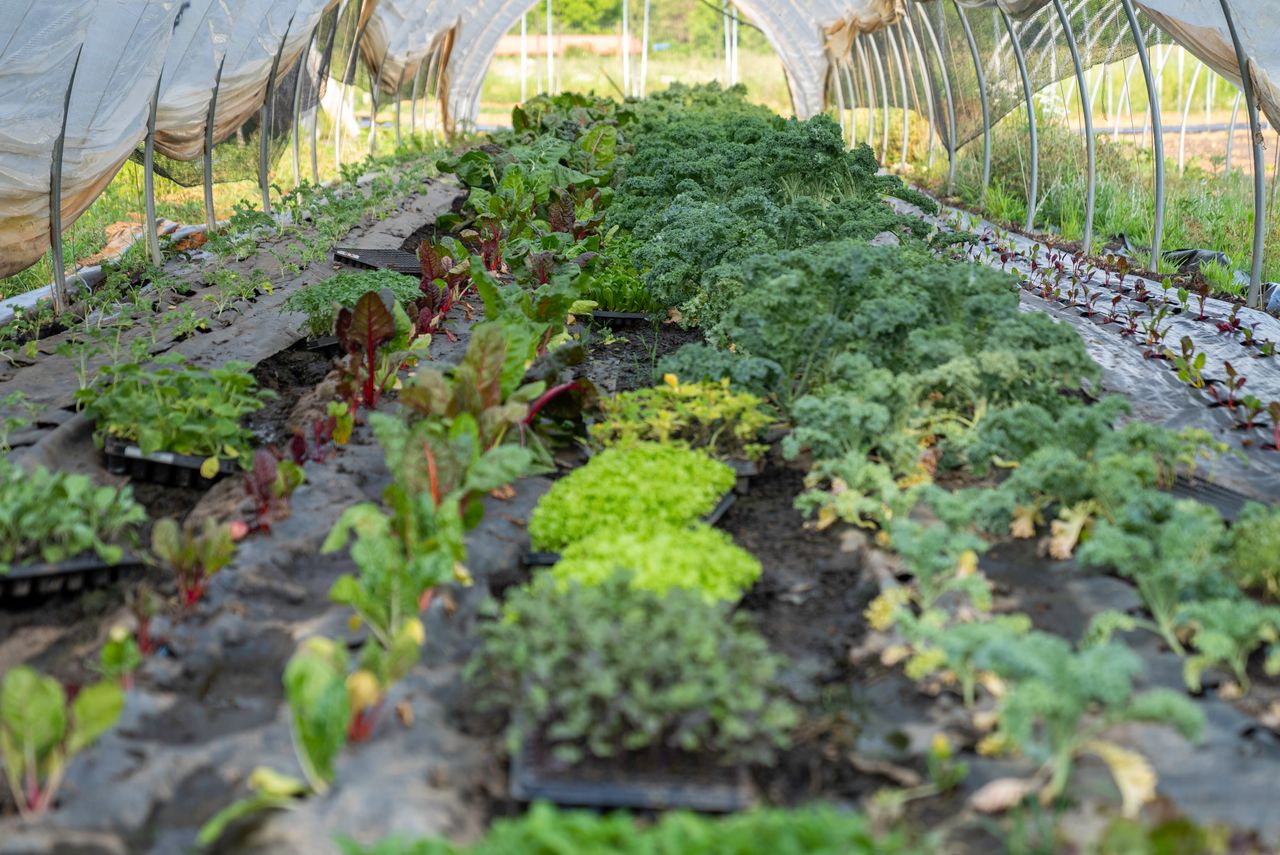
Long-term food security depends on maintaining productive agricultural systems while protecting natural resources. Sustainable farming practices aim to balance food production with responsible management of soil, water, and biodiversity. Advances in agricultural technology, precision farming, and resource management are helping improve efficiency without placing unnecessary strain on the environment. These approaches contribute to stronger food systems that can continue meeting future demand while supporting environmental sustainability.
International Cooperation and Future Planning
Food security is a global issue that requires cooperation between governments, research institutions, agricultural industries, and international organizations. Sharing knowledge, improving agricultural innovation, and investing in resilient food systems help countries respond to changing conditions more effectively. Long-term planning also supports preparedness for future challenges related to population growth, climate change, and economic uncertainty. Through collaborative efforts, countries can strengthen food security while promoting greater stability and sustainable development around the world.
Food security is becoming a global priority because it influences health, economic resilience, environmental sustainability, and social well-being. Growing populations, climate-related challenges, and increasingly complex supply chains have highlighted the need for reliable and resilient food systems. By investing in sustainable agriculture, strengthening distribution networks, and encouraging international cooperation, …