
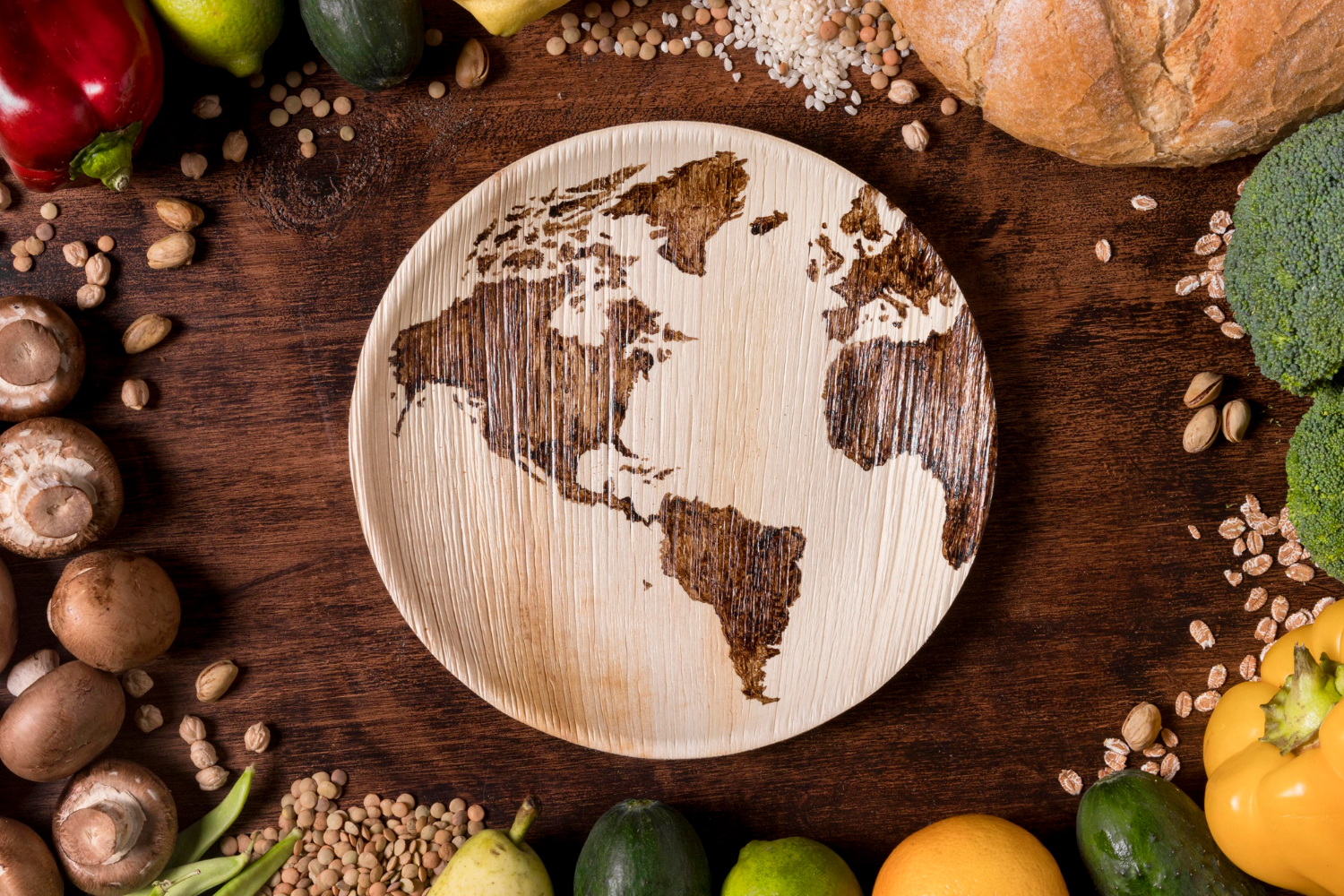
Why Food Security Is Becoming a Global Priority Why Food Security Is Becoming a Global Priority
Food security has become one of the most significant global concerns as populations grow, climates change, and supply chains face increasing pressure. It refers to the ability of people to access sufficient, safe, and nutritious food that supports healthy and active lives. While many regions have made progress in agricultural production, new challenges continue to affect food availability, affordability, and distribution. Governments, international organizations, researchers, and local communities are placing greater emphasis on food security because it influences public health, economic stability, and long-term sustainable development. As global conditions continue to evolve, ensuring reliable access to food is becoming a shared international priority.
Growing Demand From an Expanding Population
The world’s population continues to increase, creating greater demand for food production and efficient distribution systems. Larger populations require more agricultural resources, including land, water, and energy, to produce enough food for growing communities. Urbanization also changes consumption patterns and increases pressure on transportation and storage networks. Meeting future food demand depends not only on increasing production but also on improving how food is managed from farms to consumers. These demographic changes highlight why food security has become a central issue in global planning.
The Impact of Climate and Environmental Change
Environmental conditions play an important role in determining agricultural productivity. Changes in weather patterns, prolonged droughts, floods, and rising temperatures can affect crop yields and livestock production in many parts of the world. Natural disasters may also disrupt transportation and food distribution, reducing access to essential supplies. As climate-related challenges become more frequent, governments and agricultural industries are exploring ways to improve resilience and protect food systems from environmental uncertainty.
Strengthening Global Supply Chains
Modern food systems rely on complex international supply chains that connect producers, processors, distributors, and retailers across different countries. Disruptions caused by transportation challenges, economic instability, or public emergencies can affect the movement of food and increase pressure on local markets. Strengthening supply chains through improved infrastructure, storage, and logistics helps maintain reliable access to food while reducing the risk of shortages. Efficient distribution systems are becoming increasingly important as global trade continues to support food availability in many regions.
Supporting Sustainable Agricultural Practices
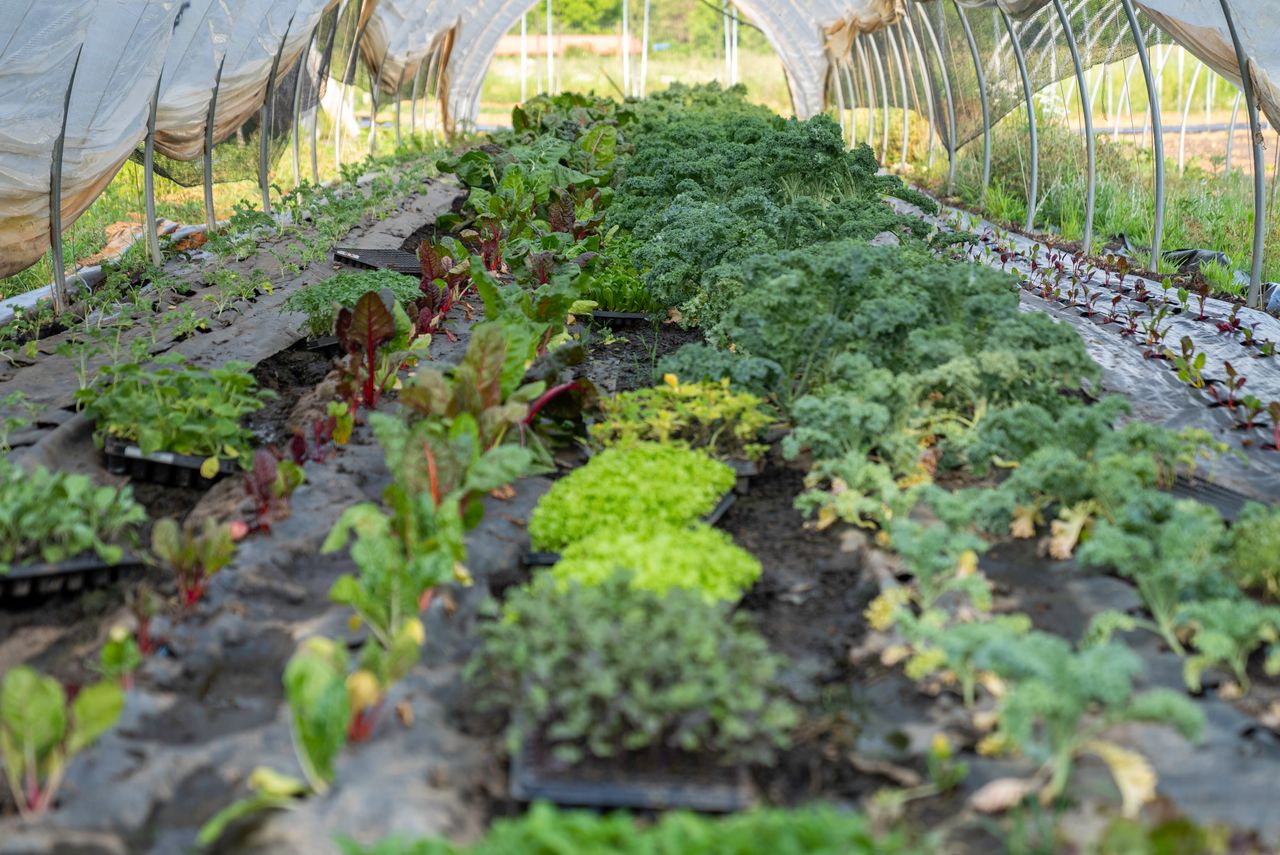
Long-term food security depends on maintaining productive agricultural systems while protecting natural resources. Sustainable farming practices aim to balance food production with responsible management of soil, water, and biodiversity. Advances in agricultural technology, precision farming, and resource management are helping improve efficiency without placing unnecessary strain on the environment. These approaches contribute to stronger food systems that can continue meeting future demand while supporting environmental sustainability.
International Cooperation and Future Planning
Food security is a global issue that requires cooperation between governments, research institutions, agricultural industries, and international organizations. Sharing knowledge, improving agricultural innovation, and investing in resilient food systems help countries respond to changing conditions more effectively. Long-term planning also supports preparedness for future challenges related to population growth, climate change, and economic uncertainty. Through collaborative efforts, countries can strengthen food security while promoting greater stability and sustainable development around the world.
Food security is becoming a global priority because it influences health, economic resilience, environmental sustainability, and social well-being. Growing populations, climate-related challenges, and increasingly complex supply chains have highlighted the need for reliable and resilient food systems. By investing in sustainable agriculture, strengthening distribution networks, and encouraging international cooperation, …

 Protein is usually where people panic. “How will I stay full without meat?” The truth is, beans, lentils, and chickpeas pack serious protein along with fiber that helps you feel satisfied longer. Swap ground beef for lentils in tacos. Use chickpeas in curries or roasted on salads. Even pea protein powders are stepping up as solid post-gym fuel. You’ll get energy without the crash, and your stomach will thank you.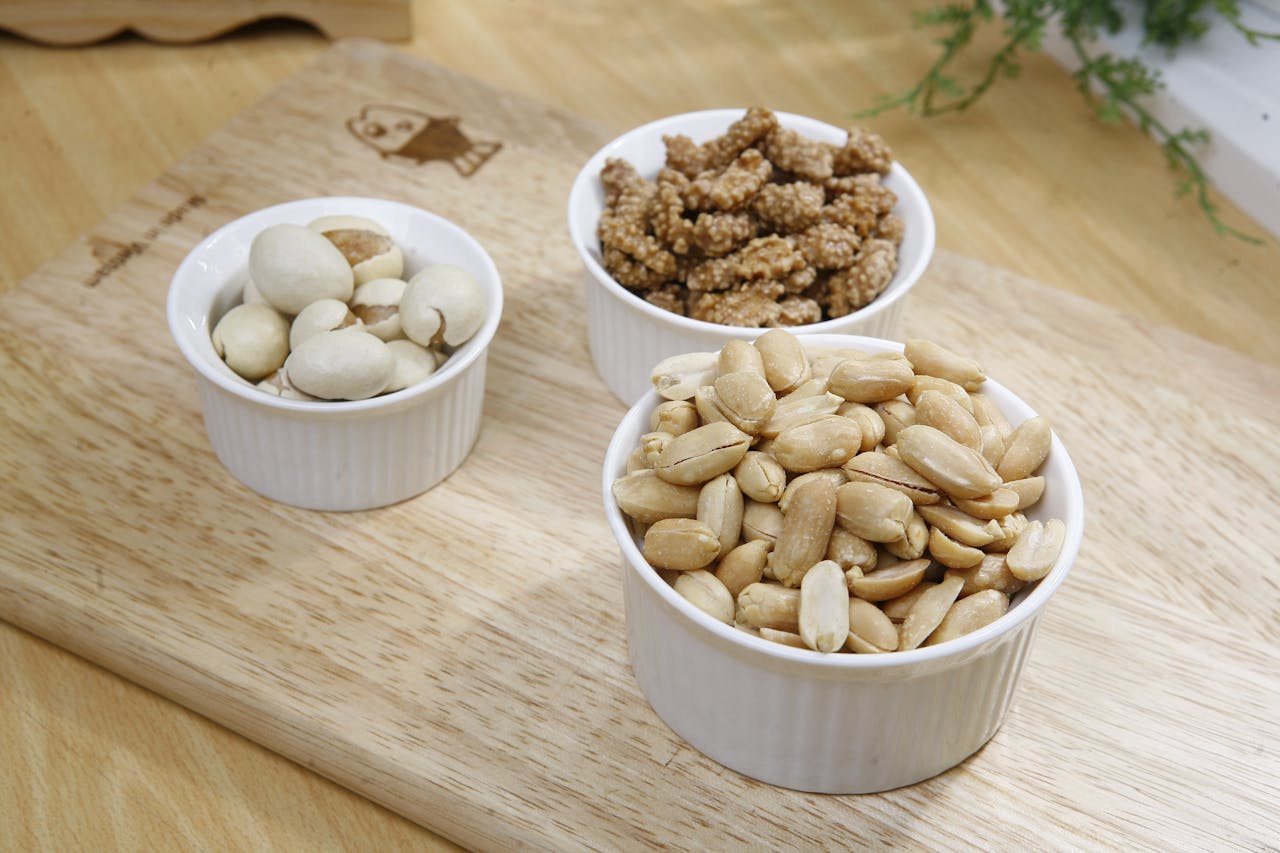
 Animal-heavy meals can make you feel sluggish because they take longer to digest. Plant-based meals, especially those high in fiber and complex carbs, release energy at a steadier pace. That’s why many athletes and trainers are leaning into more plants. Science backs it up, too. The American Heart Association reports that diets rich in whole grains, beans, fruits, and vegetables can support sustained energy and long-term health. The bonus? You still get amazing flavor combinations.



 Nostradamus is undoubtedly one of the most famous clairvoyants of all time. He was a French astrologer and physician who lived in the 16th century. Nostradamus is best known for his book Les Propheties, which contains a collection of 942 quatrains (four-line predictions). Many of his foretellings have come true. Some predictions include the rise of Napoleon Bonaparte, the Great Fire of London, and the assassination of JFK.
 Stefan Ossowiecki is a Polish clairvoyant who was born in 1877. Ossowiecki claims to have the ability to astral project, which allows him to gain knowledge about events that have not yet transpired. He allegedly used this ability to correctly predict the assassination of Archduke Franz Ferdinand, the sinking of the Titanic, and the outbreak of World War II.


 The first mistake you need to avoid is choosing the wrong website to buy from. There are a lot of websites out there that claim to sell medical products, but not all of them are created equal. You need to make sure that you find a reliable website with an excellent reputation. There are a few things that you can do to help you find the right website. First, you can read online reviews. It is a great way to get an idea of what other people have thought about a particular website. You can also ask your friends or family members if they have any recommendations.
 One final tip for you is to make sure that you check for coupons before you make a purchase. Many websites offer coupons that you can use to save money. It would help if you always take advantage of these deals to get the best possible price on your medical products. In conclusion, there are a few mistakes that you need to avoid when you are buying medical products online. By following the tips we have discussed in this blog post, you will find the best website to purchase your products from. You will also be able to save money by taking advantage of coupons and free shipping deals.…
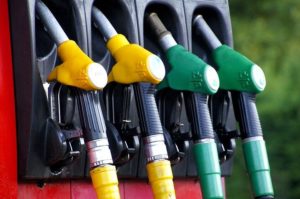 One of the pros is that it is less expensive than traditional gasoline. This is why many people choose to use this type of fuel source instead of the other options available today. The cost savings can be significant, depending on how much you purchase at one time. Another benefit is that it’s safer for your car engine because no toxic chemicals are being burned off in the combustion process.
  One downside is that green gasoline is not always available everywhere. Some states aren’t even legal yet, so if you want to use this type of fuel source, you may need to travel quite far. Another con is that the cost savings might not last long enough for most people who want to use this kind of renewable energy option but can’t switch over completely. The technology is still being developed, and it could be more expensive in the future as demand for it grows.

 Eating breakfast every day is an integral part of losing weight. It can help to boost your metabolism throughout the day by providing a good transition from the fasting state that you’re in overnight into a fasted state where you begin burning calories immediately upon waking up.